
In what ways does your media production use conventions of real media products?
use
In our film I analysed many different real media products so I could therefore learn what I needed to create to make my film trailer look like a realistic trailer. When I researched various real media products I realized there were some noticeable similarities with almost every film trailer that I looked at, an example of this is the fact that the pacing of the film trailer would almost always start off slow with either establishing wide shots of places to create an atmosphere or extreme close ups of objects to allow the audience to also set the scene however just through the use of props instead. After starting off slow, the trailers would usually build up to one moment where something is revealed or something important happens and then the pace would drastically change and the film trailer would be a lot more intense, this is usually done through the use of fast paced cuts. I did a similar thing in the sense that my film had a moment where the tone of the film changed entirely through the editing.
Another way I used conventions of real media products through editing is I made sure that the sequence within my film trailer was non-linear. I managed to do this by editing clips so they were almost randomly placed into the film, this is commonly done in film trailers so that the film does not make too much sense to the audience, this follows Barthes hermanutic codes as almost all film trailers provide snares, equivocations or jammings to mislead the audience, this is another convention I have included in my film as I have made sure to include the 'snare' of Barthes codes so my film follows common conventions.
By keeping a non-linear structure it means that it will not reveal anything overly important to the story line of the film but at the same time, the audience should be able to understand what the film is going to be about, what it is going to look like and if they think it is the right film for them.
A perfect example of this would be on the Star Wars: The Force Awakens trailer. As the trailer begins it is very calm and quite then by the time the film is at about 1:50, the trailer is a lot more bewildering due to the non-sequential fast paced cuts of random action scenes from the film.
An example of a trailer that is non-linear would be the sin city trailer, this trailer has various random scenes shown throughout which therefore only allows the audience to understand the film's slightly outlandish style and it gives them a very brief outline of the story through the titles.
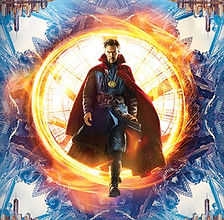
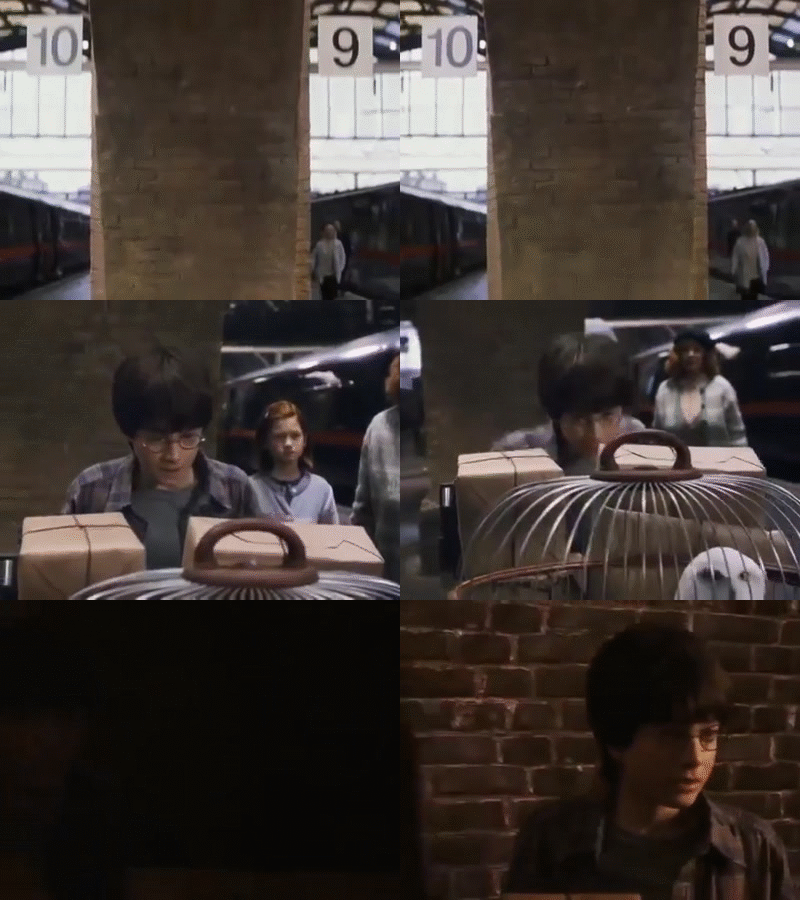
Another way I used conventions from real media products is through the genre of the film. I made a film that follows the conventions of the postmodern style of film. These usually include loose, non-linear, narrative events or a dystopian aspect. I tried to focus on creating a dystopian aspect to our film through post production work such as giving shots different tints of colour to help portray the fact that characters were in different universes; actually adding in objects such as portals to make it clear the film is fiction or even changing the colours of certain objects to show the change in realties. Creating portals are used a lot in films with dystopian aspects such as Harry Potter, Narnia and Doctor Strange.
As well as this we also made it so certain parts of our film are not chronological such as the fact that our character narrates some parts to his film as they have already happened. Some examples of real media products that have done this are films like Pulp Fiction, Memento or The Butterfly Effect.


Editing

